
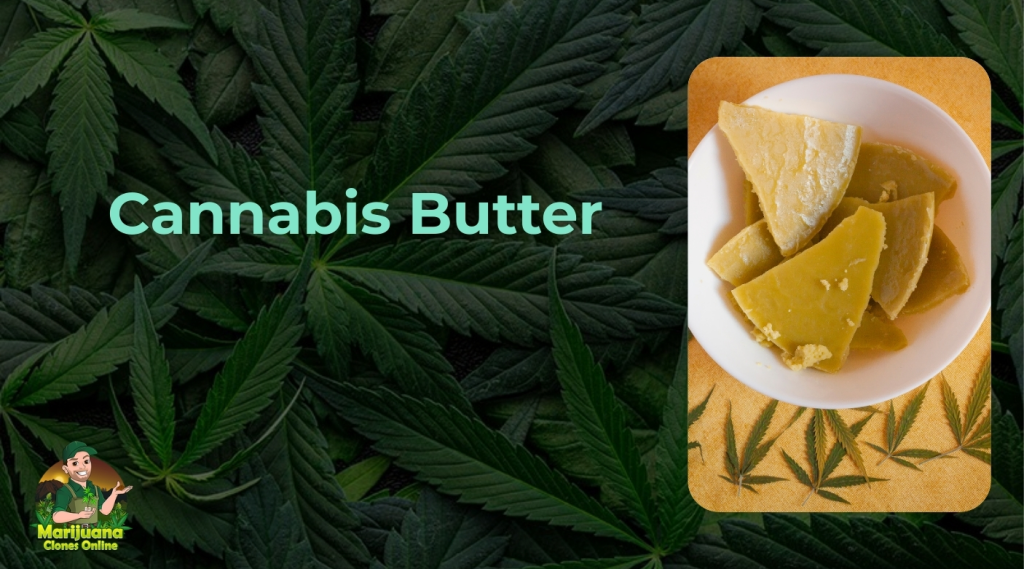
Cannabis butter, or cannabutter, is regular butter infused with decarboxylated cannabis, and it is the backbone of most homemade edibles. You make it by heating ground flower to activate its THC, gently simmering it in butter to pull the cannabinoids into the fat, then straining out the plant material. The result is a versatile, potent ingredient you can bake or cook with. This is general information, not medical or legal advice.
Cannabis Butter Key Takeaways
- What it is: Butter infused with activated, decarboxylated cannabis.
- Two heat steps: Decarb the flower first, then simmer it low and slow in butter.
- Edibles hit differently: The liver converts THC into a stronger, longer-lasting form, with a slow onset.
- Dose low: Start small, wait at least an hour or two, and never redose too soon.
- Quality in, quality out: Good flower makes better, more predictable butter.
What is cannabis butter?
Cannabis butter is exactly what it sounds like: butter that has been infused with cannabis. Because THC is fat-soluble, it binds readily to the fats in butter, making butter an ideal carrier for edibles. Once made, cannabutter can replace regular butter in almost any recipe, from brownies to sauces, letting you turn simple dishes into infused ones.

How does cannabis butter work in the body?
Edibles work differently from smoking. When you eat cannabutter, your liver metabolizes the THC into 11-hydroxy-THC, a form that is often stronger and longer-lasting than inhaled THC. That is why edibles feel more intense and last longer, but also why they take 30 to 90 minutes to kick in. That slow onset is exactly why patience matters, many uncomfortable edible experiences come from redosing before the first dose has taken hold.
What do you need to make cannabis butter?
The setup is simple and uses ordinary kitchen gear:
Ingredients
Cannabis flower, butter, and water. A common ratio is one cup of butter to about a cup of water and a quarter to half ounce of THCa flower, adjusted to your desired strength.
Tools
A baking sheet and parchment for decarbing, a saucepan or slow cooker, a thermometer, a fine strainer or cheesecloth, and a container for storage.
How do you make cannabis butter step by step?
The process comes down to three stages, and low, steady heat is the key throughout:

Step 1: Decarboxylate your weed
Break up the flower, spread it on a lined baking sheet, and bake at around 240 degrees Fahrenheit for 30 to 40 minutes. This activates the THC so your butter actually works.
Step 2: Simmer and infuse
Melt the butter with water in a saucepan or slow cooker, add the decarbed flower, and keep it at a low simmer, ideally below 200 degrees Fahrenheit, for two to three hours. Stir occasionally and never let it boil.
Step 3: Strain and store
Pour the mixture through cheesecloth or a fine strainer into a container, let it cool, and refrigerate. The butter firms up and separates from any water, ready to use.
How much cannabis butter should you use?
Dosing is where most people go wrong, so a little math and a lot of caution help:

How to estimate potency
Estimate the total THC in your flower, then divide across the butter and the number of servings in your recipe to get a rough milligram-per-serving figure. Homemade potency is never exact, so treat it as an estimate. For precise, repeatable dosing, some cooks infuse THCa isolate instead.
Tips for better dosing
Start with a small amount, such as a single low-dose serving, wait a full one to two hours before eating more, label your edibles clearly, and keep them away from children and pets.
What are common cannabutter mistakes to avoid?
A few missteps ruin a batch. Skipping decarboxylation leaves the THC inactive, so the butter does nothing. Cooking too hot boils off cannabinoids and scorches the butter. Rushing the infusion weakens it. And overestimating your tolerance, then eating too much too fast, is the fastest way to an unpleasant experience. Go slow and keep the heat low.
Is cannabis butter right for you?
Cannabutter is a great option if you prefer edibles over smoking and want control over your ingredients and dosing. It rewards patience and quality flower, so the better your starting material, the better and more consistent your results. If you want strong, clean flower to infuse, grow your own from proven genetics on our clone menu, or start with premium buds from the THCa flower collection.

Cannabis Butter Frequently Asked Questions
Do you have to decarb weed before making cannabutter?
Yes. Without decarboxylation the THC stays in its inactive acidic form, so the butter will not produce effects. Bake the flower at about 240 degrees Fahrenheit for 30 to 40 minutes first.
Why are edibles stronger than smoking?
Your liver converts THC into 11-hydroxy-THC, a stronger and longer-lasting form. That is why edibles feel more intense and last longer, but also take longer to kick in.
How long does it take to make cannabis butter?
Roughly 30 to 40 minutes to decarb and two to three hours to simmer, plus cooling and refrigeration time.
How much cannabutter should a beginner use?
Start with a single low-dose serving, wait one to two hours before eating more, and remember homemade potency is only an estimate.
Is cannabis butter legal?
It depends on your local laws and the material you use. Rules vary by state, so check what applies where you live before making or consuming it.


